
Web Design for Veterinarians in Pennsylvania: What Your Clinic Website Needs to Book More Appointments
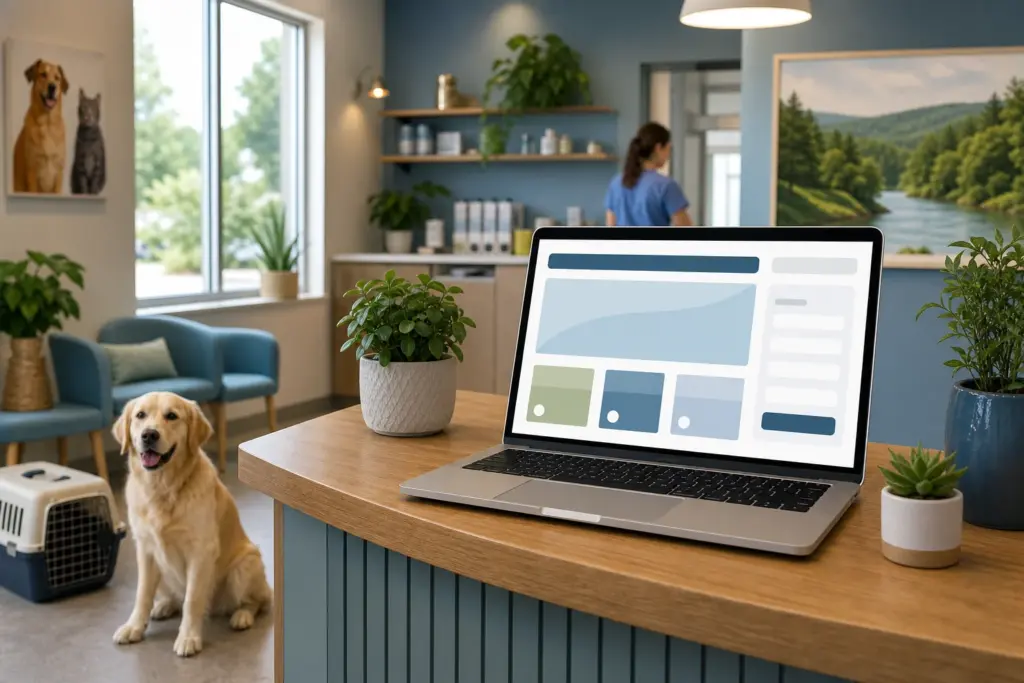
A veterinary clinic website has a tougher job than simply looking polished. It has to help a worried pet owner quickly decide, “Yes, this clinic feels trustworthy,” then make the next step easy: call, request an appointment, check services, or get directions.
That is why web design for veterinarians Pennsylvania practices should be built around clarity, speed, local search visibility, and conversion paths. Pet owners are often searching from their phones, comparing nearby clinics, and trying to understand whether you handle wellness visits, dental care, surgery, urgent concerns, or new-patient appointments.
If your site is slow, confusing, outdated, or missing key information, it can quietly send those pet owners to another clinic.
Below is a practical checklist for building or redesigning a veterinary website that supports real appointment requests — not just a nicer-looking homepage.
Start with the pet owner’s urgent questions
Most veterinary visitors arrive with a specific need. They may be looking for a new vet, checking whether you treat cats and dogs, searching for vaccination information, or trying to book quickly because something feels wrong.
Your homepage and service pages should answer the basics fast:
- What animals do you treat?
- What services do you provide?
- Are you accepting new patients?
- Where are you located?
- How do clients request an appointment?
- What should someone do for urgent or after-hours care?
- What makes your clinic feel trustworthy and approachable?
A good veterinary website does not make visitors dig through paragraphs to find those answers. It brings the most important details into the hero section, main navigation, service cards, and call-to-action buttons.
Make appointment requests obvious on every key page
For a clinic, the primary conversion is usually an appointment request or phone call. That action should be easy to find on mobile and desktop.
Strong veterinary website design usually includes:
- A clear “Request an Appointment” or “Call the Clinic” button near the top of the page
- Tap-to-call phone numbers on mobile
- A simple contact or appointment request form
- Clinic hours and location near conversion points
- Service-specific CTAs, such as wellness exam, dental cleaning, or new puppy visit requests
- A contact path on every major service page and blog post
This is especially important for mobile visitors. If someone has to pinch, zoom, hunt for the phone number, or scroll past a wall of text, you may lose the inquiry before they ever meet your team.
Build service pages for how pet owners actually search
Many clinic websites put every service into one long list. That may be fine for a small brochure site, but it limits both user experience and local SEO.
Dedicated service sections can help pet owners and search engines understand what your clinic offers. Depending on the clinic, useful pages or page sections may include:
- Wellness exams and preventive care
- Vaccinations
- Dental care
- Spay and neuter services
- Surgery
- Diagnostics and lab work
- Senior pet care
- Puppy and kitten visits
- New client information
Each page should explain the service in plain language, mention who it is for, answer common questions, and guide visitors toward booking. This also gives your site more relevant content for local searches instead of relying on one generic “services” page.
Use local SEO signals without sounding robotic
Veterinary searches are local by nature. Pet owners look for clinics near their home, workplace, or neighborhood. Your website should support that local intent naturally.
For a Pennsylvania clinic, helpful local SEO elements include:
- Consistent name, address, and phone information
- Embedded or clearly linked Google Business Profile details
- City, county, and nearby service-area mentions where they make sense
- Driving directions or parking notes when helpful
- Location-specific title tags and meta descriptions
- Testimonials or community proof from real clients, when available
- Internal links from service pages to the contact page
The goal is not to stuff city names into every sentence. The goal is to make it easy for Google and pet owners to understand where your clinic is, who you serve, and why your website is relevant for nearby veterinary searches.
For broader visibility work, connect veterinary website content with an SEO foundation like Sleek Website Design’s SEO services so technical fixes, on-page content, and local search signals work together.
Show trust before asking for the appointment
Pet owners are choosing care for a family member. Trust matters.
A veterinary website should make the clinic feel real, safe, and welcoming before asking someone to book. Consider adding:
- Photos of the clinic, exam rooms, and team members
- Short bios for veterinarians and key staff
- Accreditation, professional memberships, or certifications if applicable
- Clear explanations of your care philosophy
- Reviews or testimonials
- New-client expectations
- Fear-free, low-stress, or cat-friendly details if your clinic offers them
Avoid vague claims like “best care in town” without proof. Specific details are more persuasive: who you help, how visits work, what clients can expect, and how your team supports pets and people.
Keep the design calm, fast, and mobile-first
Veterinary websites do not need flashy animations to perform well. In many cases, simple and calm wins.
The site should load quickly, feel warm, and avoid clutter. Large images should be optimized, pages should be easy to scan, and important buttons should remain visible without overwhelming the visitor.
A strong mobile layout usually includes:
- Clear navigation with services, about, contact, and appointment options
- Readable font sizes
- Short sections with helpful headings
- Large tap targets
- Compressed images
- Fast-loading pages
- No intrusive popups that block urgent information
If the current site is slow, outdated, or difficult to manage, a focused redesign may be better than patching one section at a time. See website redesign services for Pennsylvania small businesses for the kind of structure that protects trust, performance, and SEO during a rebuild.
Add content that reduces phone-call friction
A helpful veterinary website can answer common questions before someone calls. That does not replace personal care, but it can reduce confusion and help your team spend less time repeating basics.
Useful content ideas include:
- What to expect at a first visit
- Puppy and kitten vaccination timelines
- Signs your pet may need dental care
- How to prepare for surgery day
- Senior pet wellness visit guidance
- What to bring to a new-client appointment
- How appointment requests are reviewed
These topics can also support SEO when written clearly and connected to your services. The key is to keep the information practical and clinic-specific instead of publishing generic pet-care articles with no conversion path.
Make maintenance part of the plan
Veterinary websites age quickly when hours change, staff changes, service offerings shift, or old plugins stop working. A site that looked fine two years ago may now have outdated forms, broken links, slow pages, or inaccurate details.
Ongoing maintenance should include:
- Software and plugin updates
- Security monitoring
- Backup checks
- Form testing
- Speed reviews
- Broken-link checks
- Content updates for hours, services, team members, and policies
- SEO-safe edits when pages change
If your clinic already has a website but it has not been checked in a while, website support and maintenance can help keep the site stable while protecting the SEO value you have built.
When does a vet clinic need a redesign instead of small fixes?
Small updates can help if your site is basically sound. But a redesign may be the better move if:
- The site is not mobile-friendly
- Appointment forms are hard to use or unreliable
- Key services are buried or missing
- The site loads slowly
- Your brand no longer reflects the clinic
- You are changing locations, ownership, or service offerings
- Your pages are not showing up for local searches
- You cannot easily update content
A redesign is also an opportunity to improve page structure, conversion paths, metadata, internal links, and local SEO before the new site launches. That matters because a redesign done without SEO planning can accidentally remove pages, change URLs, or weaken visibility.
A practical veterinary website checklist
Before launching or redesigning a clinic website, review these essentials:
- Clear homepage message for pet owners
- Mobile-friendly design
- Prominent call and appointment buttons
- Service pages or sections for major offerings
- Local SEO basics on core pages
- Trust signals, team details, and real clinic photos where possible
- Fast page speed and optimized images
- Simple contact and appointment forms
- Accurate hours, location, and service-area information
- Ongoing maintenance plan
If your current site misses several of these, it may be costing you appointment requests even if it still “works.”
Need a veterinary website that feels trustworthy and books better?
Sleek Website Design builds practical, mobile-first websites for Pennsylvania small businesses that need more calls, leads, and local visibility. For clinics comparing web design for veterinarians Pennsylvania options, that means combining clear service structure, appointment-focused design, local SEO, speed, and ongoing support.
If your clinic website needs a stronger foundation, start with custom web design services or reach out through the contact page to talk through what your veterinary website should do next.
A better clinic website should help pet owners trust you faster — and make booking the next appointment feel simple.